

5-Part Opinion Series, Entrepreneurship as Economic Gardening: Cultivating Growth from Within
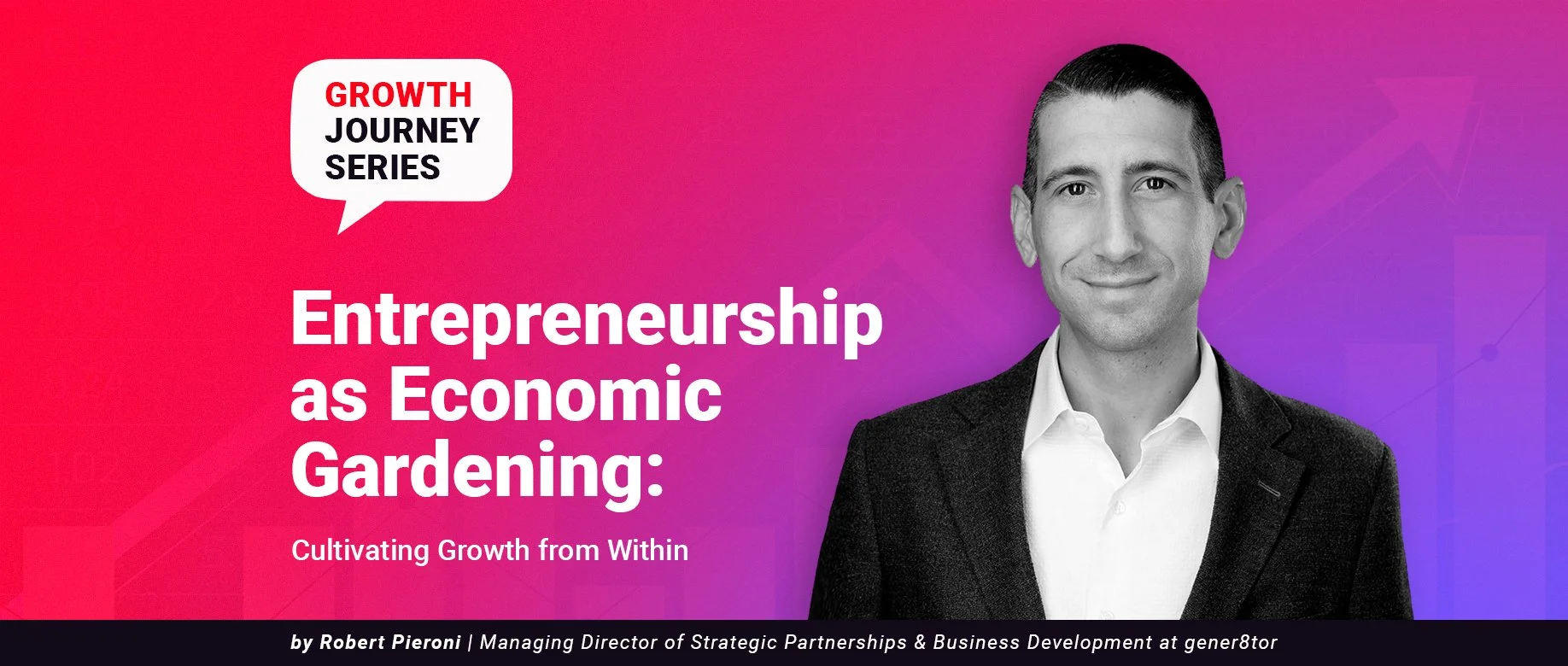
Part 1: Stop Chasing, Start Growing - Why Cultivating beats Recruitment in Modern Economic Development.
When I first started in economic development, the game was about attraction. You built incentives, courted big corporations, crossed your fingers, and hoped they brought jobs. That model worked for a while.
But over time, I began to see something that stuck with me: the communities that grow the fastest and bounce back the strongest are the ones that invest in their own people.
Recruitment gets headlines. But cultivation builds legacies.
When a city supports its local entrepreneurs, those who already have roots in the community - they’re not just creating jobs. They’re building ownership, keeping wealth local, and setting the foundation for long-term economic resilience.
The truth is, many cities have spent too long chasing companies that were never going to stay. If we redirected even half that energy into nurturing startups and small businesses already growing in our neighborhoods, we’d see more durable, inclusive growth.
Economic gardening is about doing just that, supporting the people who are already planting seeds. The dreamers. The risk-takers. The ones who are betting on the place they call home.
Because when we water what's already growing, the whole community starts to flourish.
Part 2: Founders First – How Startup Ecosystems Create Jobs, Wealth, and Visibility
I’ve spent the last decade watching startup ecosystems rise in places that many people overlooked. What they all have in common? Founders who weren’t just building companies, they were building communities.
A founder doesn’t just create a product. They create jobs. They pay taxes. They attract follow-on capital. They signal to the world that something is happening in their city.
The multiplier effect is real. One thriving startup can turn into 50 new jobs, a wave of angel investments, local tech meetups, school partnerships, and a second or third generation of founders coming up behind them.
Take gener8tor’s numbers, for example: over 2,100 startups supported, more than 15,300+ jobs created, over $3 billion in follow-on capital. That’s not just startup growth. That’s economic development with impact.
When civic leaders say they want jobs and economic opportunity, they should be thinking about their founders first. Because that’s where new value is created, not by hoping a Fortune 500 company relocates downtown, but by betting on the founders already in your own backyard.
Part 3: The Accelerator Effect – Why Structured Support Turns Potential Into Prosperity
Not every good idea becomes a business. And not every business becomes a success.
That’s where accelerators come in.
An accelerator isn’t just a nice-to-have, it’s a critical piece of economic infrastructure. It’s where talent meets capital, where early-stage companies get direction, and where communities turn potential into outcomes.
I've seen it play out across gener8tor programs in the U.S. and abroad. When founders get real support, not just advice, but actual mentorship, investor connections, customer introductions, they move faster, with more confidence.
It’s not about hand-holding. It’s about giving people the tools they need to build.
And when you structure that support around the unique needs of your region, whether that’s advanced manufacturing in Wisconsin or aerospace in Emilia-Romagna, you start building something even bigger: industry clusters, workforce development pipelines, and homegrown economic momentum.
Accelerators aren’t just for founders. They’re for cities. And the best ones know this.
Part 4: Local First, Global Fast – Helping Founders Scale Without Leaving Their Communities
One of the saddest things I’ve seen in this work? Watching incredible local founders pack up and leave because they felt like they had to in order to grow.
We shouldn't accept that as the norm.
Yes, founders should think globally. But they shouldn’t have to leave their city to build a global company. They should be able to stay, create jobs locally, and access the resources they need through strong global connections.
That’s the model we’re pushing at gener8tor, giving founders in Birmingham, Bologna, or Lagos the same access to international mentors, markets, and investors as someone in San Francisco.
We’ve seen time and again: if you build the right networks, founders will stay rooted.
And that’s good for everyone, because when founders grow global companies without abandoning their hometown, they bring that value back home. They invest in local schools, sponsor tech meetups, hire neighbors, mentor other startups.
That’s how you build not just companies, but lasting, globally-connected communities.
Part 5: A Call to Cultivate – A Blueprint for Ecosystem Builders, Policymakers, and Investors
If you're reading this series, you're probably someone who's trying to move the needle in your community. You care about job creation. About innovation. About people having a shot to build something great where they live.
So here’s my call to you: let’s stop admiring the problem and start doing the work.
Here’s what it looks like to cultivate instead of chase:
Economic developers creating funding pathways for accelerators, not just site selection.
Universities integrating startup support into their core mission, not leaving it to chance.
Corporations opening up pilot opportunities and procurement programs for local founders.
Investors showing up early and consistently, even before the term sheet stage.
Policymakers building incentive structures that reward ecosystem-building, not just recruitment wins.
It’s not easy. But it’s doable. And more importantly, it works.
I’ve seen it. I’ve helped build it. I’ve watched communities transform when they made the decision to invest in their own people.
Economic gardening isn’t about waiting for someone else to fix it. It’s about picking up the shovel.
Written by Robert Pieroni
